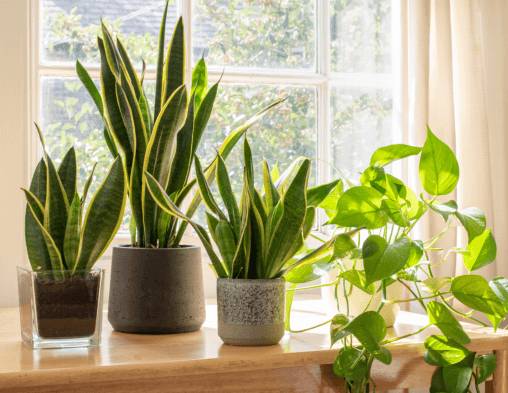
Snake Plants: A Stylish and Low-Maintenance Addition to Your Home
Snake plants, also known as mother-in-law’s tongue or scientifically as Sansevieria, have become increasingly popular among indoor plant enthusiasts. Their striking appearance, air-purifying capabilities, and low-maintenance nature make them a favorite choice for both beginners and seasoned plant lovers. In this comprehensive blog post, we’ll delve into the world of snake plants, covering everything from care tips to propagation techniques.
1. Types of Snake Plants
Let’s start by exploring the diverse varieties of snake plants:
This is perhaps the most well-known variety. Its long, tall, pointed leaves grow upright and are usually green with yellow variegation. Sansevieria trifasciata is not only easy to maintain but also excels at purifying the air.
Sansevieria Cylindrica:
Unlike its trifasciata counterpart, this variety boasts cylindrical leaves that shoot straight up, creating a modern and eye-catching appearance. Its dark green color and unique texture make it a standout choice.
Sansevieria Laurentii:
With striking yellow borders on its long, pointed leaves, Sansevieria laurentii adds a touch of elegance to any room. The contrast between the yellow edges and green leaves is visually appealing.
Sansevieria Zeylanica:
Thin, upright leaves with white variegation characterize this variety. It’s a subtle yet beautiful addition to your indoor space.
Sporting silvery-blue leaves, Sansevieria moonshine brings a cool and serene vibe to your home.
Sansevieria Masoniana:
Known for its large, paddle-like leaves, this variety is a favorite among plant enthusiasts. Its bold appearance makes a statement in any room.
2. Watering and Soil
Snake plants thrive on neglect. Here’s how to care for them:
Watering: Allow the soil to dry out completely before watering again. Overwatering can lead to root rot, so aim for watering every 2-3 weeks. Adjust the frequency based on room temperature and humidity.
Soil: Well-draining soil is essential. Use a cactus or succulent mix, or create your own by adding sand or perlite to regular potting soil.
Snake plants thrive on neglect. Here’s how to care for them:
Watering: Allow the soil to dry out completely before watering again. Overwatering can lead to root rot, so aim for watering every 2-3 weeks. Adjust the frequency based on room temperature and humidity.
Soil: Well-draining soil is essential. Use a cactus or succulent mix, or create your own by adding sand or perlite to regular potting soil.
3. Light Requirements
Snake plants are adaptable when it comes to light:
Bright Indirect Light: Ideal for snake plants, but they can tolerate low light conditions as well.
Direct Sun: While they can handle direct sunlight, avoid prolonged exposure to prevent leaf scorch.
Snake plants are adaptable when it comes to light:
Bright Indirect Light: Ideal for snake plants, but they can tolerate low light conditions as well.
Direct Sun: While they can handle direct sunlight, avoid prolonged exposure to prevent leaf scorch.
4. Fertilizing and Repotting
Fertilizing: Feed your snake plant sparingly during the growing season (spring and summer) with a balanced liquid fertilizer. Dilute it to half the recommended strength.
Repotting: Snake plants don’t mind being slightly root-bound. Repot only when necessary, typically every 2-3 years.
Fertilizing: Feed your snake plant sparingly during the growing season (spring and summer) with a balanced liquid fertilizer. Dilute it to half the recommended strength.
Repotting: Snake plants don’t mind being slightly root-bound. Repot only when necessary, typically every 2-3 years.
5. Propagation and Trimming
Propagation: Snake plants can be propagated through leaf cuttings. Let the cuttings callus for a day or two before planting them in soil.
Trimming: Remove any yellowing or damaged leaves to maintain the plant’s aesthetics.
Propagation: Snake plants can be propagated through leaf cuttings. Let the cuttings callus for a day or two before planting them in soil.
Trimming: Remove any yellowing or damaged leaves to maintain the plant’s aesthetics.
6. Feng Shui Placement
According to feng shui principles, snake plants are excellent for improving indoor air quality. Place them in the following spots:
- East or Southeast: Enhance health and family relationships.
- West or Northwest: Boost creativity and communication.
- North or Northeast: Promote career growth and knowledge.
Avoid placing snake plants in the bedroom, as their energy can be too active for restful sleep.
In conclusion, snake plants are not only visually appealing but also contribute to a healthier living environment. Whether you’re a seasoned plant enthusiast or a beginner, these low-maintenance beauties are sure to thrive in your home. So go ahead, embrace the elegance of snake plants and enjoy their air-purifying benefits!
some common problems with snake plants:
Overwatering: Snake plants prefer to dry out between waterings. Overwatering can lead to root rot. To avoid this:
- Water sparingly, allowing the soil to dry completely before the next watering.
- Ensure proper drainage by using well-draining soil and pots with drainage holes.
Yellowing Leaves:
- Too Much Light: If the leaves turn yellow, it might be due to excessive sunlight. Move the plant to a spot with indirect light.
- Root Rot: Overwatering can cause yellowing. Check the roots for signs of rot and adjust your watering routine.
Pests:
- Mealybugs and Spider Mites: These tiny pests can infest snake plants. Inspect the leaves regularly and wipe them down with a damp cloth if you spot any pests.
- Scale Insects: Look for small, brown bumps on the leaves. Remove them manually or use neem oil as a natural remedy.
Brown Tips:
- Low Humidity: Dry indoor air can lead to brown tips. Increase humidity by misting the leaves or using a humidity tray.
- Fluoride in Water: If your tap water contains fluoride, it can cause brown tips. Use distilled water or let tap water sit overnight to allow the fluoride to dissipate.
Root Bound:
- Snake plants don’t mind being slightly root-bound, but if the pot becomes too crowded, it’s time to repot. Look for roots emerging from the drainage holes.
Cold Stress:
- Avoid exposing snake plants to extreme cold temperatures. They prefer warmth and can suffer if placed near drafts or in chilly rooms.
Remember that snake plants are resilient, and most issues can be resolved with proper care. Regularly inspect your plant, adjust its environment, and enjoy the benefits of having this stylish and air-purifying green companion!
According to feng shui principles, snake plants are excellent for improving indoor air quality. Place them in the following spots:
- East or Southeast: Enhance health and family relationships.
- West or Northwest: Boost creativity and communication.
- North or Northeast: Promote career growth and knowledge.
Avoid placing snake plants in the bedroom, as their energy can be too active for restful sleep.
In conclusion, snake plants are not only visually appealing but also contribute to a healthier living environment. Whether you’re a seasoned plant enthusiast or a beginner, these low-maintenance beauties are sure to thrive in your home. So go ahead, embrace the elegance of snake plants and enjoy their air-purifying benefits!
some common problems with snake plants:
Overwatering: Snake plants prefer to dry out between waterings. Overwatering can lead to root rot. To avoid this:
- Water sparingly, allowing the soil to dry completely before the next watering.
- Ensure proper drainage by using well-draining soil and pots with drainage holes.
Yellowing Leaves:
- Too Much Light: If the leaves turn yellow, it might be due to excessive sunlight. Move the plant to a spot with indirect light.
- Root Rot: Overwatering can cause yellowing. Check the roots for signs of rot and adjust your watering routine.
Pests:
- Mealybugs and Spider Mites: These tiny pests can infest snake plants. Inspect the leaves regularly and wipe them down with a damp cloth if you spot any pests.
- Scale Insects: Look for small, brown bumps on the leaves. Remove them manually or use neem oil as a natural remedy.
Brown Tips:
- Low Humidity: Dry indoor air can lead to brown tips. Increase humidity by misting the leaves or using a humidity tray.
- Fluoride in Water: If your tap water contains fluoride, it can cause brown tips. Use distilled water or let tap water sit overnight to allow the fluoride to dissipate.
Root Bound:
- Snake plants don’t mind being slightly root-bound, but if the pot becomes too crowded, it’s time to repot. Look for roots emerging from the drainage holes.
Cold Stress:
- Avoid exposing snake plants to extreme cold temperatures. They prefer warmth and can suffer if placed near drafts or in chilly rooms.
Remember that snake plants are resilient, and most issues can be resolved with proper care. Regularly inspect your plant, adjust its environment, and enjoy the benefits of having this stylish and air-purifying green companion!
Overwatering: Snake plants prefer to dry out between waterings. Overwatering can lead to root rot. To avoid this:
- Water sparingly, allowing the soil to dry completely before the next watering.
- Ensure proper drainage by using well-draining soil and pots with drainage holes.
Yellowing Leaves:
- Too Much Light: If the leaves turn yellow, it might be due to excessive sunlight. Move the plant to a spot with indirect light.
- Root Rot: Overwatering can cause yellowing. Check the roots for signs of rot and adjust your watering routine.
Pests:
- Mealybugs and Spider Mites: These tiny pests can infest snake plants. Inspect the leaves regularly and wipe them down with a damp cloth if you spot any pests.
- Scale Insects: Look for small, brown bumps on the leaves. Remove them manually or use neem oil as a natural remedy.
Brown Tips:
- Low Humidity: Dry indoor air can lead to brown tips. Increase humidity by misting the leaves or using a humidity tray.
- Fluoride in Water: If your tap water contains fluoride, it can cause brown tips. Use distilled water or let tap water sit overnight to allow the fluoride to dissipate.
Root Bound:
- Snake plants don’t mind being slightly root-bound, but if the pot becomes too crowded, it’s time to repot. Look for roots emerging from the drainage holes.
Cold Stress:
- Avoid exposing snake plants to extreme cold temperatures. They prefer warmth and can suffer if placed near drafts or in chilly rooms.

Contact Info
- Address: Love gardens LLC , nursery warsan 3, Dubai
- Phone: +971 554899462
- Email: [email protected]
