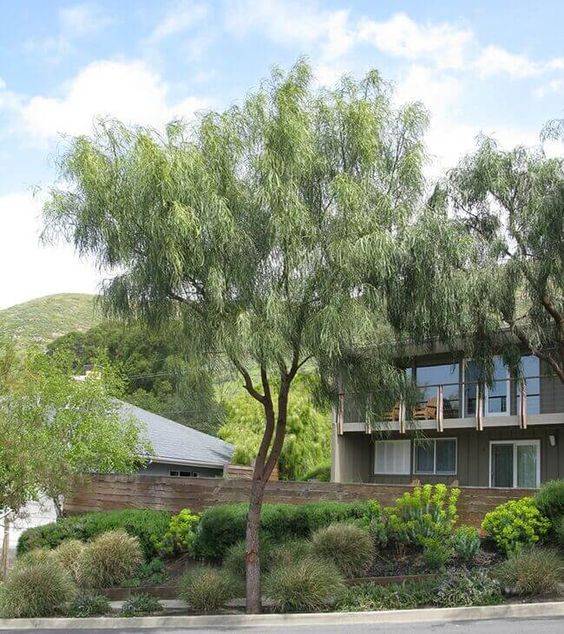
Acacia stenophylla
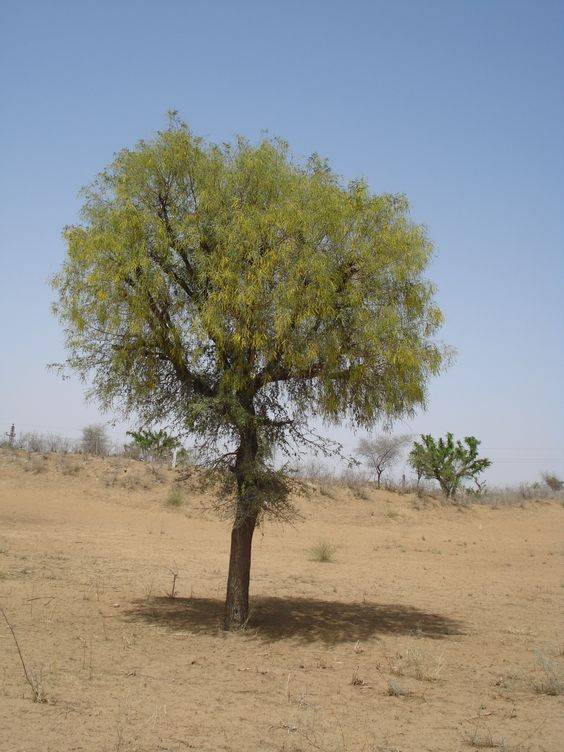
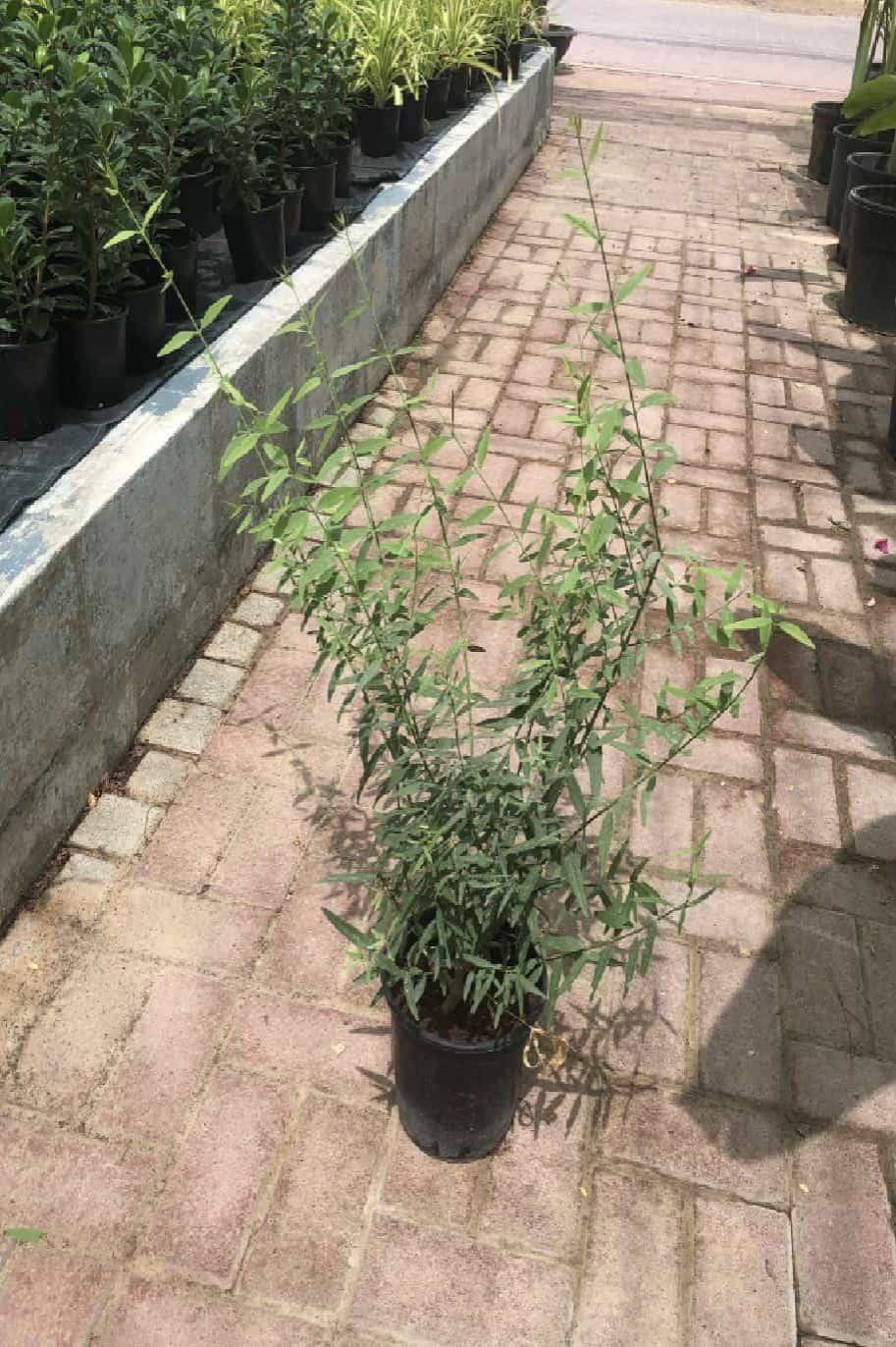
Acacia stenophylla, commonly known as the shoestring acacia, is a species of Acacia native to Australia. It is an evergreen tree that can grow up to 20 meters tall with a rounded crown. The tree has pendulous branchlets and dark-grey to blackish bark. The phyllodes are strap-like, 15–40 cm long, 2–10 mm wide, straight to slightly curved, slightly rough, free from hair or very finely puberulous, acute to acuminate, apex is often strongly curved. The flowers are creamy-white to pale yellow in color, spherical and 6–9 mm in diameter. The pods are moniliform, up to 26 cm long, 8–12 mm wide, woody-leathery textured, smooth except micro-puberulous between seeds. The tree is highly salt tolerant and moderately frost and drought tolerant.
Planting: Acacia stenophylla prefers well-drained, sandy loam soils with a pH between 6.0 and 8.0. Plant the tree in moist, well-drained soil in an area that gets full sun.
Watering: Water regularly but sparingly during the growing season. Do not overwater, as Acacia stenophylla is a fairly drought-tolerant plant.
Lighting: Acacia stenophylla prefers full sun but will tolerate partial shade.
Temperature: Acacia stenophylla requires warm temperatures and is hardy to USDA zones 10-12. The optimum growing temperature is between 77-95°F (25-35°C).
Fertilization: Fertilize with a balanced, slow-release fertilizer once per year in the spring.
Pruning: Prune in the winter to remove dead or damaged branches and to shape the tree.
Here are some step-by-step instructions for caring for your Acacia stenophylla:
Review
Related products








Contact Info
- Address: Love gardens LLC , nursery warsan 3, Dubai
- Phone: +971 554899462
- Email: [email protected]
