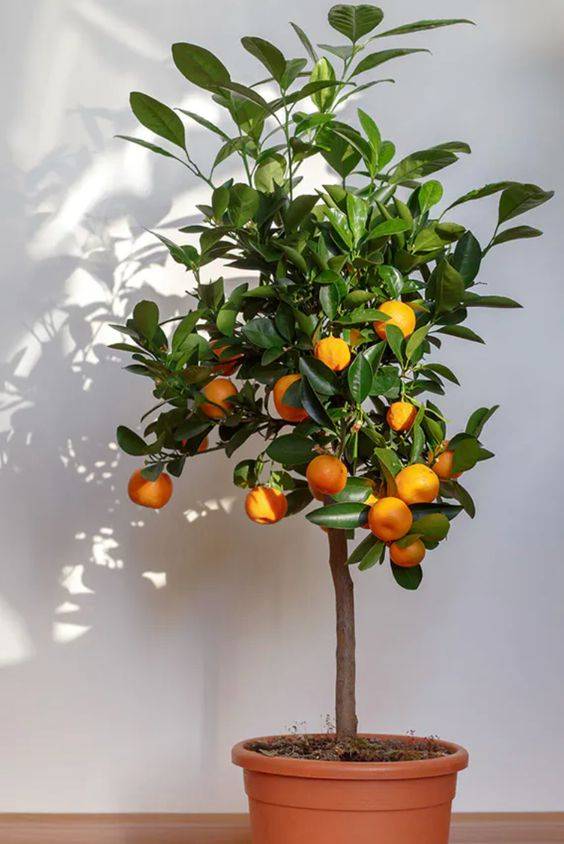
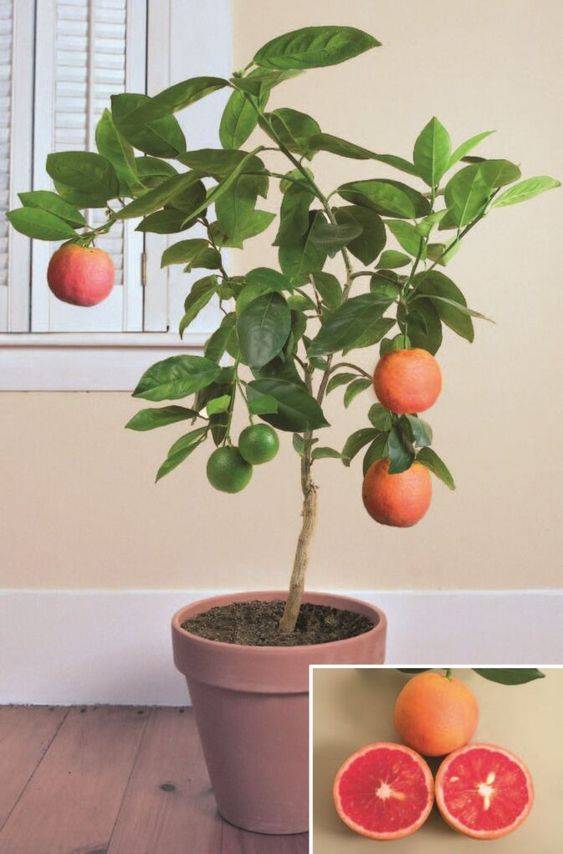
Citrus orange (Orange Tree)
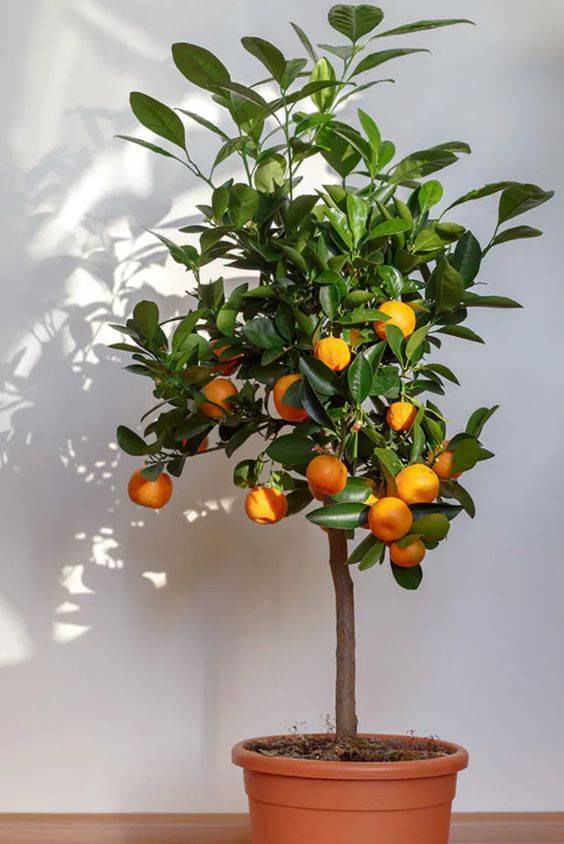
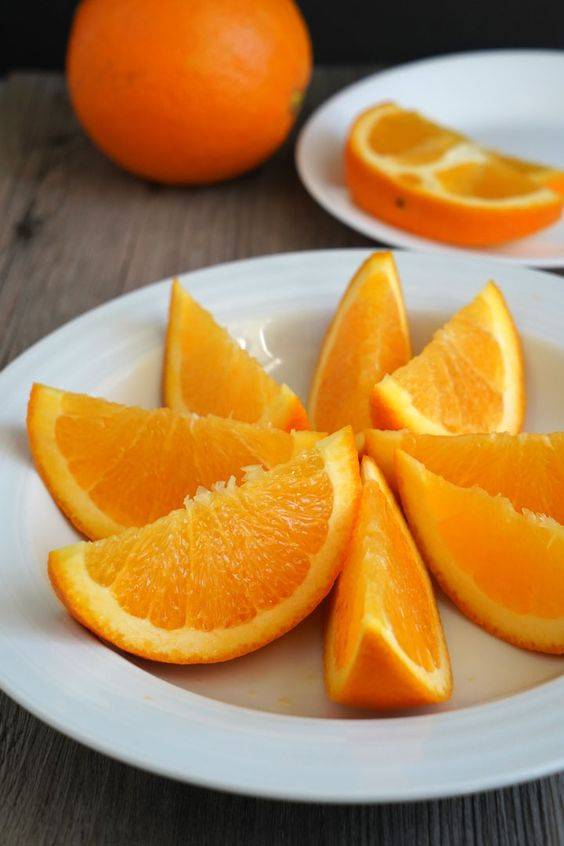
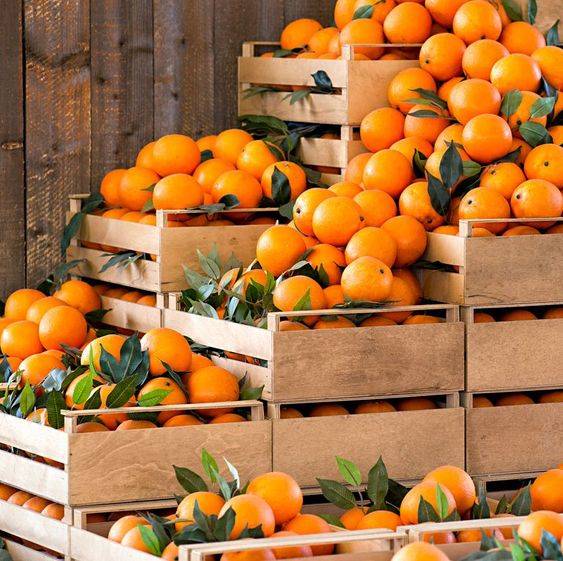
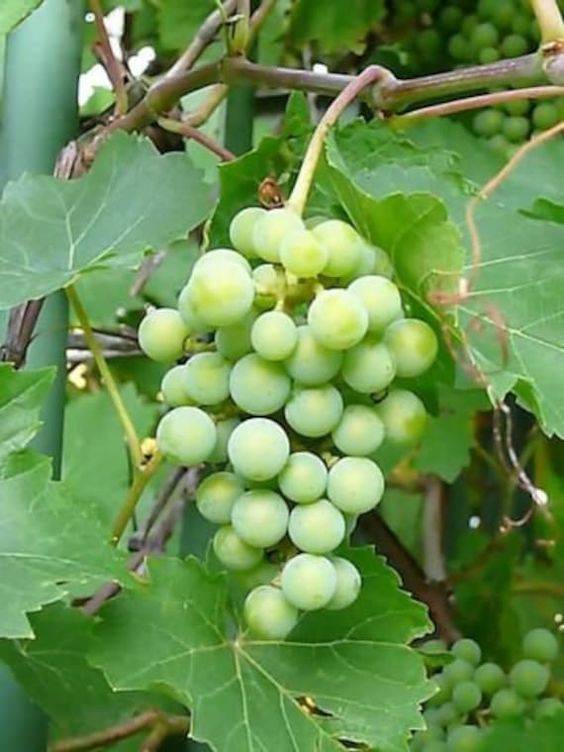
An orange is a fruit of various citrus species in the family Rutaceae. The most commonly cultivated species of orange is Citrus × sinensis, also known as sweet orange, to distinguish it from the related Citrus × aurantium, referred to as bitter orange. The sweet orange reproduces asexually through nucellar embryony, and varieties of the sweet orange arise through mutations. The fruit is oval with a pronounced nipple at one end and has a tough, leathery rind. The pulp is acidic and juicy, varying in color depending on the cultivar from clear to pale yellow. Oranges are a rich source of vitamins and minerals, including copper, vitamins B and K, and vitamin C. They are also high in fiber, which helps to diversify your gut microbiome and lower or maintain your blood sugar levels, blood pressure, and cholesterol. Grapes may boost heart health in several ways. They contain potassium, which is necessary for maintaining healthy blood pressure levels. Evidence shows that potassium helps lower blood pressure primarily by helping dilate your arteries and veins. It may also help excrete sodium and prevent the narrowing of arteries and veins that would otherwise increase blood pressure. Additionally, diets high in resveratrol — an antioxidant in grapes — such as the Mediterranean diet have been shown to decrease cholesterol levels. It’s recommended to incorporate red, black, or green grapes daily as part of an overall healthy diet containing vegetables, fruits, healthy fats, and whole grains. One cup is considered a serving. Individuals concerned with ingesting pesticide residues should consider choosing organically grown grapes. Grapes tend to be high in pesticides according to the Environmental Working Group (EWG).
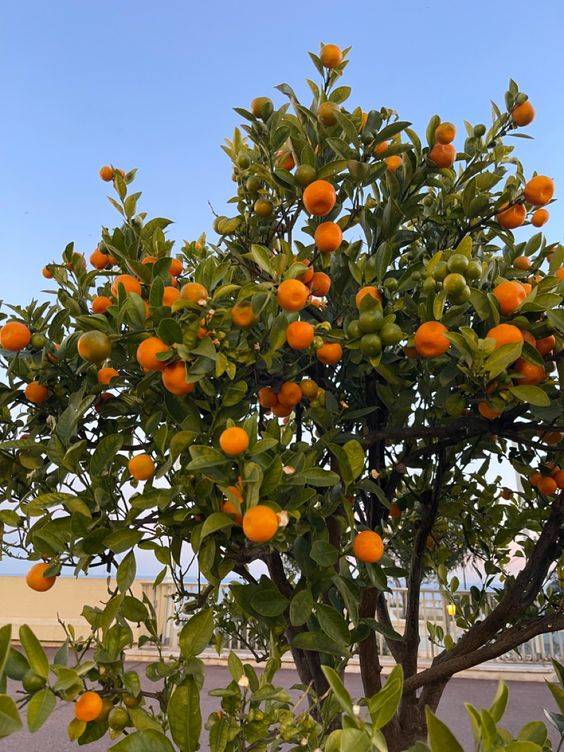
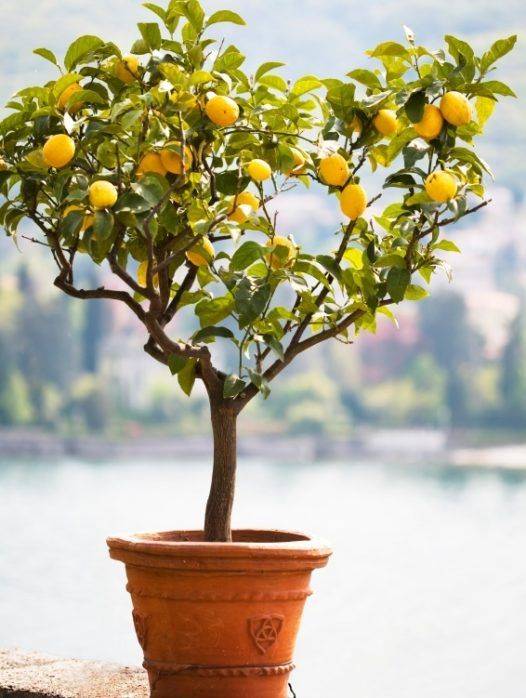
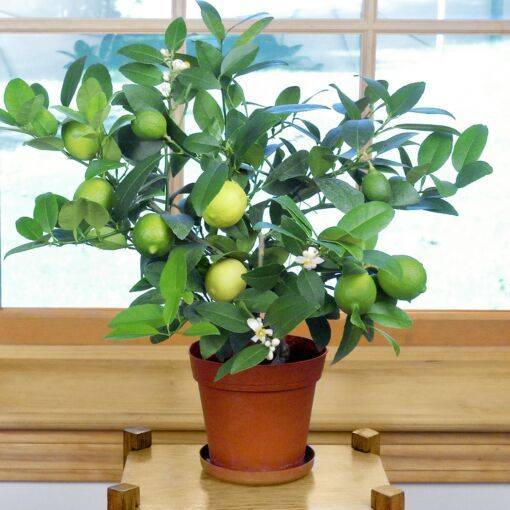
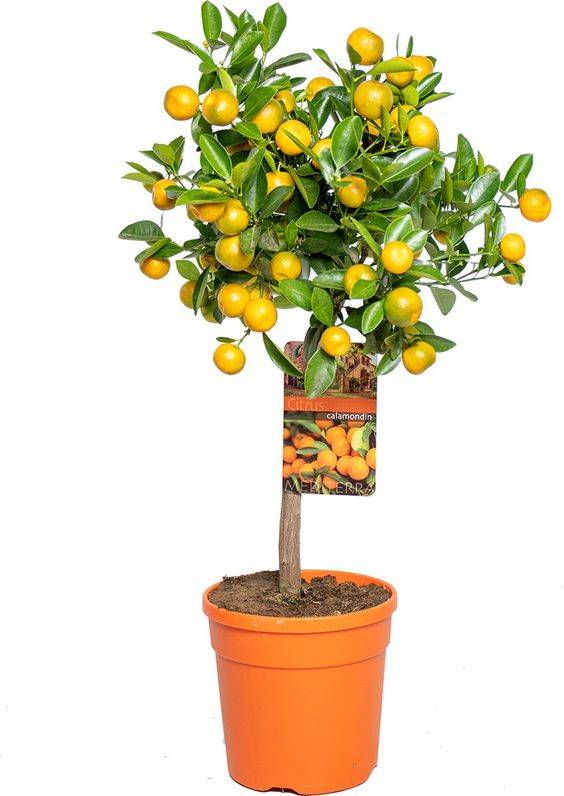
Orange trees are evergreen trees that require full sun exposure and well-drained soils. They require regular watering and fertilization, especially during the flowering and fruiting stages. Pruning is also important to keep the tree healthy and productive.
Review
Related products













Contact Info
- Address: Love gardens LLC , nursery warsan 3, Dubai
- Phone: +971 554899462
- Email: [email protected]
