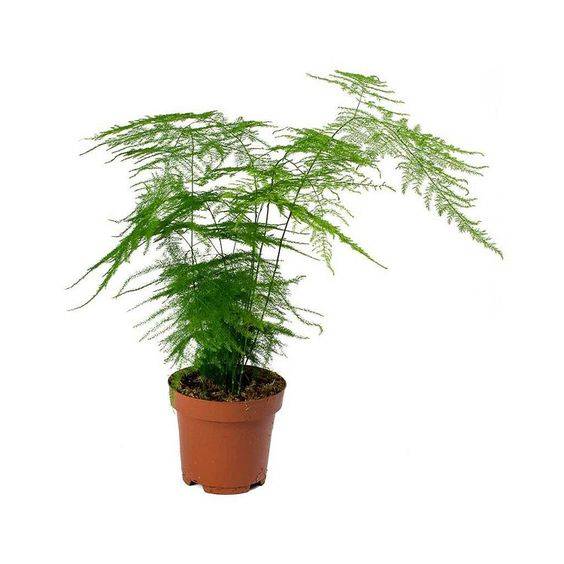
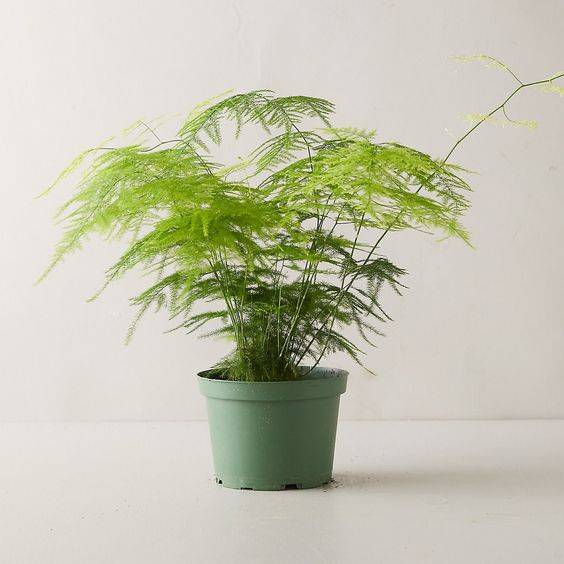
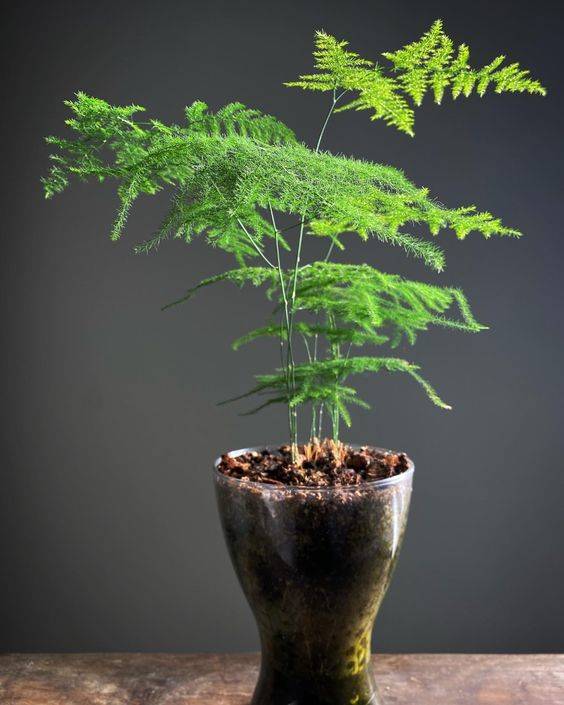
Asparagus setaceus





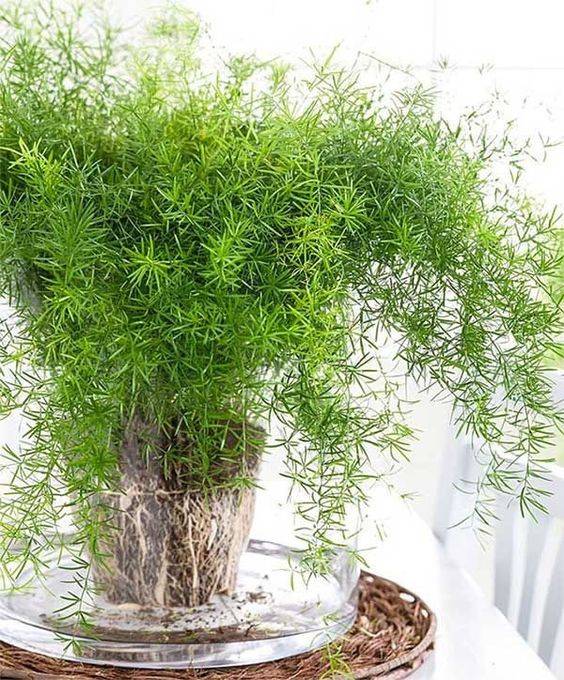
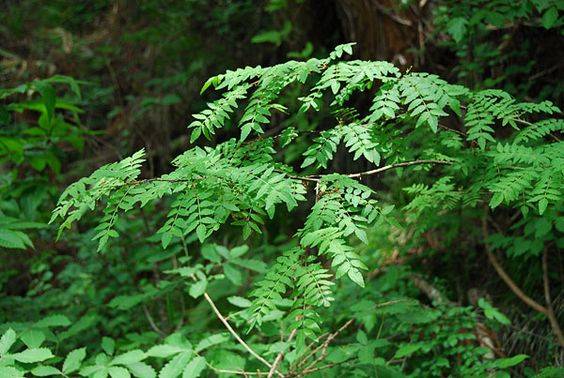
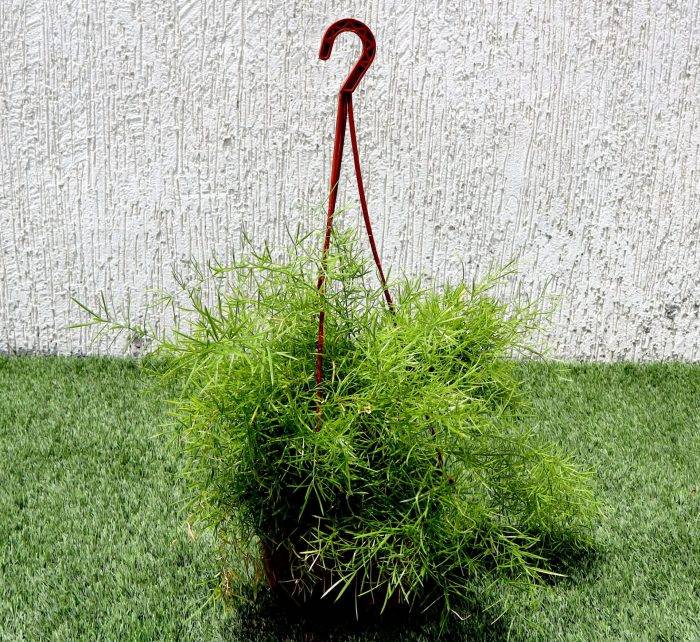
Asparagus setaceus, commonly known as common asparagus fern, asparagus grass, lace fern, climbing asparagus, or ferny asparagus, is a climbing plant in the genus Asparagus. Despite its common name, the plant is not a true fern, but has leaves that resemble one. Asparagus setaceus is a scrambling perennial herb with tough green stems and leaves, which may reach several meters in length. The leaves are actually leaf-like cladodes up to 7 mm long by 0.1 mm in diameter, which arise in clumps of up to 15 from the stem, making a fine, soft green fern-like foliage. Sharp barbed thorns occur on the stem. Occurring from spring to autumn, the small greenish-white bell-shaped flowers are 0.4 cm long and are followed by small green berries that blacken with maturity. It is native to Southern Africa, extending southwest as far as Calitzdorp in the Karoo. It is grown elsewhere as an ornamental plant and has become an invasive species in several locations where it has been introduced. Asparagus setaceus is cultivated as an ornamental plant for planting in gardens and containers and as a houseplant. The attractive foliage is also used in floral arrangements. It is very hardy and adapts readily to cultivation. This plant has gained the Royal Horticultural Society’s Award of Garden Merit.
- Light: Asparagus setaceus needs bright but filtered light to thrive. Too much direct sunlight can cause leaf scorch, and too little will result in a poor display of flowering and leaf drop.
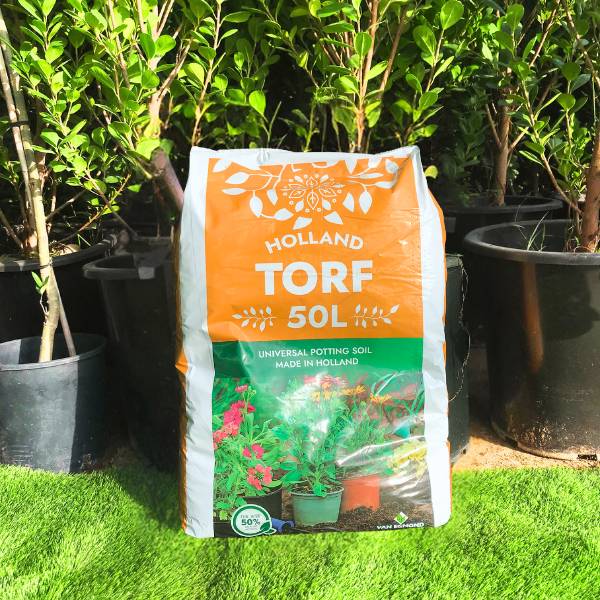
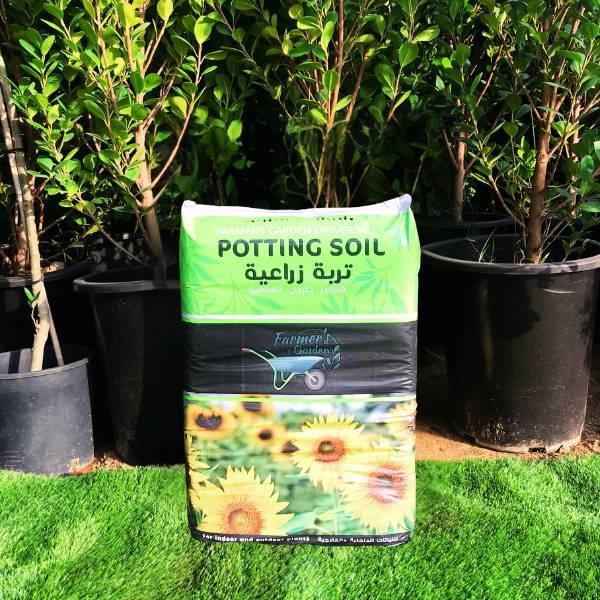
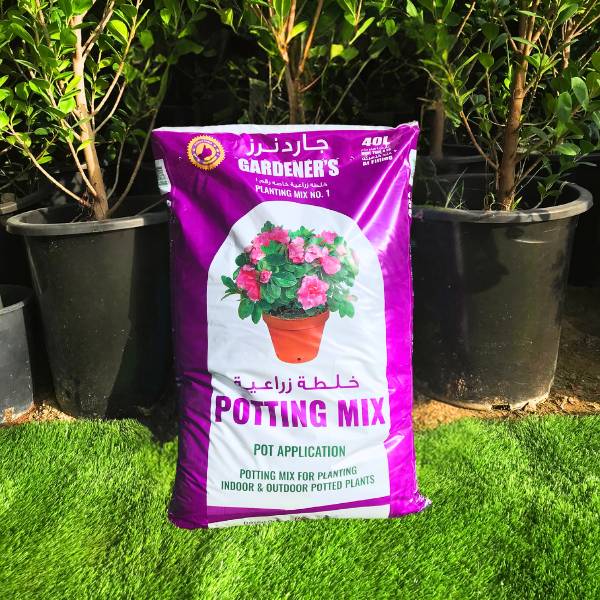
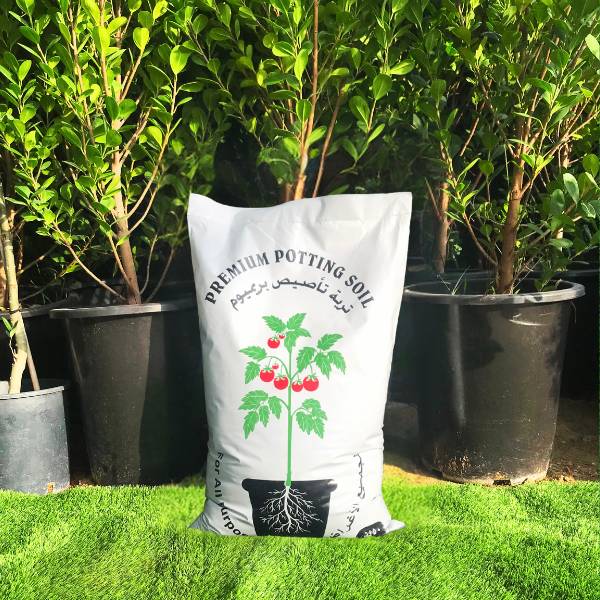
- Soil: Asparagus setaceus needs soil that is consistently moist but well-draining. Grow your Asparagus setaceus in a well-draining potting mix.
- Water: Water your Asparagus setaceus when the top inch of soil feels dry to the touch. Overwatering can lead to root rot, leaf drop, and fungal issues.
- Humidity: Asparagus setaceus prefers higher-than-average humidity levels and protection from sudden temperature changes. Regular misting of the leaves can help hydrate the leaves indoors to provide enough humidity.
- Temperature: Ideal temperatures for healthy blooming Asparagus setaceus range somewhere between 65 and 75 degrees Fahrenheit.
- Fertilizer: Feed your Asparagus setaceus once a month with organic plant fertilizer during the growing season (spring and summer).
- Pruning: Prune your Asparagus setaceus in the spring to control its size and shape. You can also remove any yellow or brown leaves.
Here are some tips for caring for your Asparagus setaceus: Asparagus setaceus is mildly toxic to humans and moderately toxic to pets. The berries produced by the plant are mildly toxic to humans and toxic to cats and dogs.
Review
Related products
































































































Contact Info
- Address: Love gardens LLC , nursery warsan 3, Dubai
- Phone: +971 554899462
- Email: [email protected]
