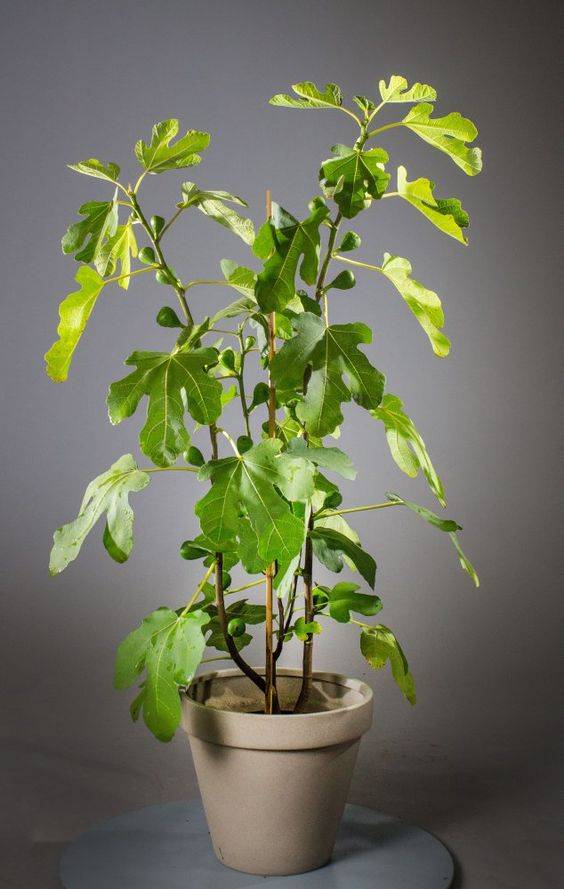
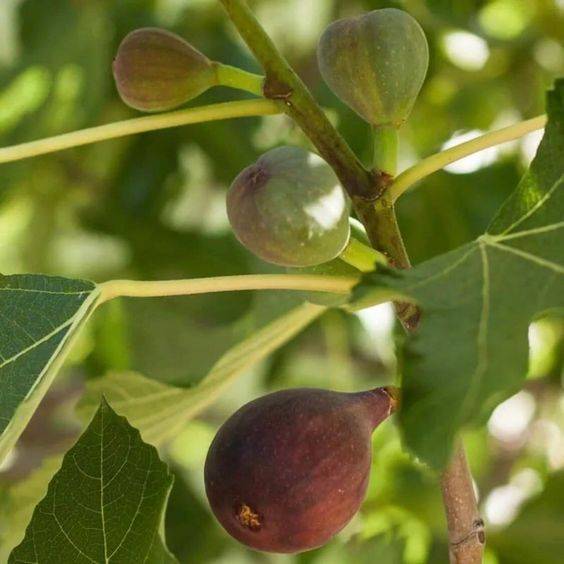
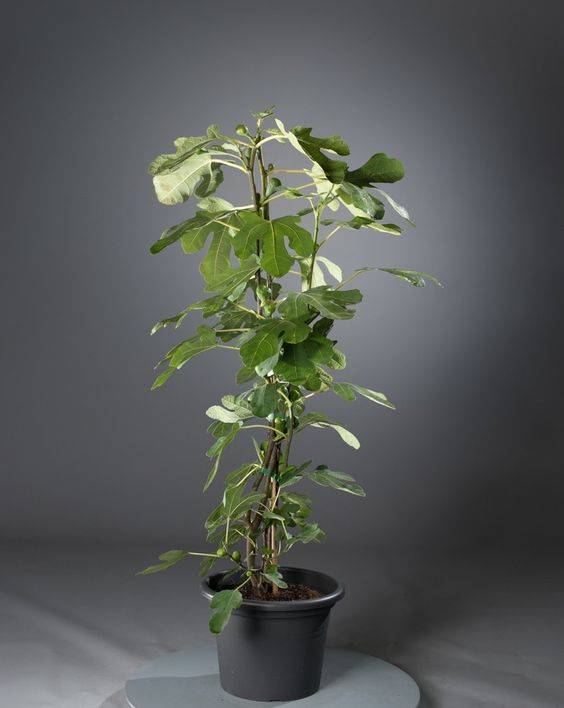
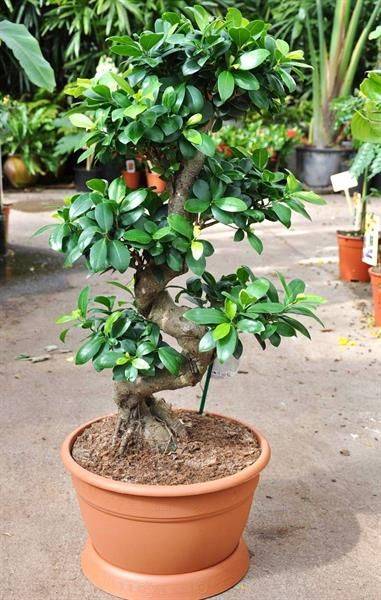
Ficus carica (Fig Tree)






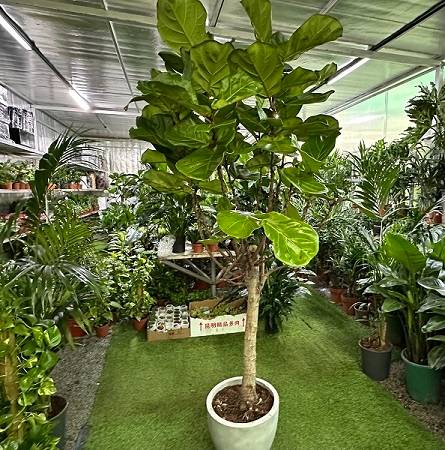
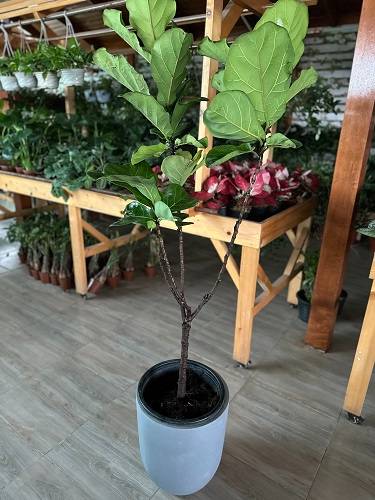
Ficus carica, commonly known as the fig tree, is a fruit tree that produces either green, black, or purple figs. The tree can grow up to 16 to 32 feet (5 to 10 m) in height and requires full sun exposure and well-drained soil. Figs are appreciated for their taste, but they also help deal with stress and digestion issues. To grow Ficus carica, it is recommended to plant it in fall or spring for colder climates. The tree requires cool, well-drained soil and a warm and sunny location to thrive. Pruning your Ficus carica will speed up its growth and increase fig productivity. Figs develop on new growth and on growth that is one year old. Pinching young branches in March and April is recommended: snip the tip off with your fingernails. For Ficus carica trees that are already well-formed, use a hand pruner to cut the previous year’s growth just above an outward-facing bud. Adding fruit tree fertilizer will increase fig production. In summary, Ficus carica requires regular watering, occasional fertilization, regular pruning, pest and disease control, and training to thrive. Proper care and maintenance will ensure that your fig tree produces healthy, delicious fruit.
Choose a sunny location with well-drained soil: Ficus carica requires full sun exposure and well-drained soil to thrive. It is recommended to plant it in fall or spring for colder climates.
Plant the tree: Dig a hole that is at least twice as wide and deep as the root ball. The tree should be planted at the same depth it was growing in the container. After planting, water the tree well and mulch the soil around the base to help retain moisture.
Water regularly: Ficus carica trees require regular watering, especially during hot and dry weather.
Fertilize occasionally: Adding fruit tree fertilizer will increase fig production.
Prune regularly: Pruning your Ficus carica will speed up its growth and increase fig productivity. Figs develop on new growth and on growth that is one year old. Pinching young branches in March and April is recommended: snip the tip off with your fingernails. For Ficus carica trees that are already well-formed, use a hand pruner to cut the previous year’s growth just above an outward-facing bud.
Pest and disease control: Ficus carica is susceptible to pests such as spider mites, scale insects, and mealybugs, as well as diseases such as fig rust and leaf spot. Regularly inspect your tree for signs of infestation or disease, and take appropriate measures to control them.
Here are the step-by-step instructions for growing and caring for Ficus carica:
Review
Related products


























































































































































































































































































Contact Info
- Address: Love gardens LLC , nursery warsan 3, Dubai
- Phone: +971 554899462
- Email: [email protected]
